
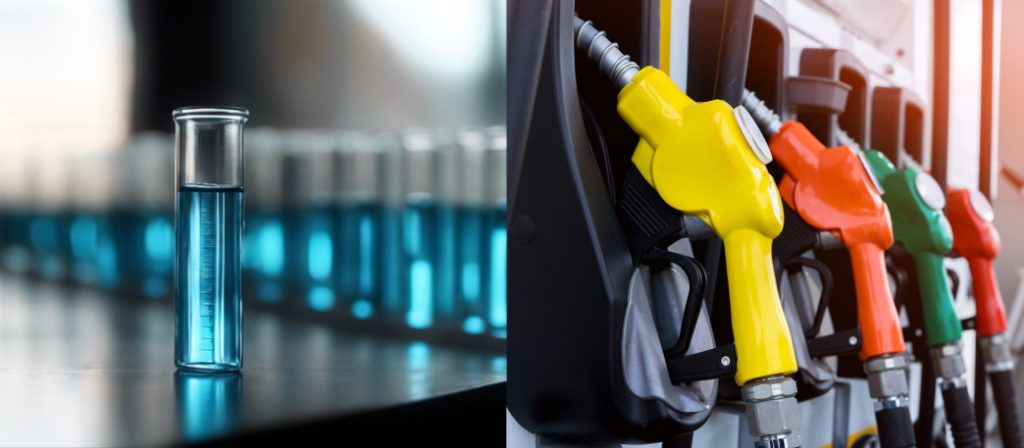
Synthetic fuels, also known as e-fuels or electrofuels, are a type of alternative fuel that is produced industrially from renewable energy sources. These fuels are fully compatible with existing combustion engines, making them a potential solution for reducing the carbon footprint of the automotive industry. Here in Arcentech, we are very much interested in such technologies for several applications, so in this post we have tried to summarize the basics of it. This is not a comprehensive report by any means, but tries to glimpse the most relevant technological aspects related to the strategies available to produce synthetic fuels nowadays.
Positive Aspects of using Synthetic Fuels
Several aspects could turn synthetic fuels into new stars of the global energy sector in the near future:
1) Compatibility
Synthetic fuels can be used in existing internal combustion engines without significant modifications. Moreover, synthetic fuel use would benefit from the existence of distribution networks and refueling stations already in use for traditional fossil derived fuels. This makes them a potential transitional solution as the automotive industry moves towards more sustainable options.
2) Carbon Neutrality
The carbon dioxide emitted during the combustion of synthetic fuels can be offset by using renewable energy sources during the production process. This creates a closed carbon cycle, making these fuels potentially carbon-neutral.
3) Energy Density
Analogous to traditional fuels, synthetic fuels have high energy density, which means they can store a significant amount of energy per unit volume. This is advantageous for applications like long-haul transportation where battery electric vehicles may face challenges.
Currently, the main drawback for the widespread use of synthetic fuels is the high costs of production.
Strategies for the Synthesis of Fuels
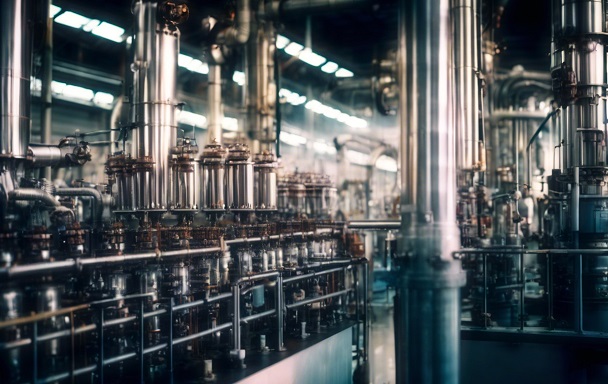
Two main processes are usually considered for the synthesis of sustainable fuels, namely Electrolytic Methods and the old but effective Fischer-Tropsch Synthesis.
Electrolysis: One common method involves using renewable electricity, such as solar or wind power, to perform electrolysis on water, splitting it into hydrogen and oxygen. In this case, hydrogen gas can be used directly as (gaseous) fuel or acts as precursor for other fuels, usually organic liquids. Currently, the idea of using hydrogen as a base for the future energy sector constitutes a wide research topic by itself.
Fischer-Tropsch Synthesis: This approach involves combining hydrogen with carbon dioxide captured directly from the atmosphere (Direct Air Capture, DAC) or from industrial processes to produce synthetic hydrocarbons through Fischer-Tropsch synthesis. This involves specific metal catalysts (iron or cobalt heterogeneous catalysts are often used).
Fischer-Tropsch (FT) synthesis
In general, FT processes are able to yield different fuels usable for transportation needs, and the resulting carbon footprint will depend on the specific method of synthesis followed. Three types of FT synthetic routes are usually considered:
- Indirect conversion processes: all of them start with syngas (a mixture of hydrogen and carbon monoxide, H2 + CO). FT reactions are useful to produce diesel and jet fuels from syngas. In addition, through the intermediate conversion of syngas to methanol, gasolines can be obtained. Currently, indirect conversion processes constitute the most deployed FT application worldwide.
- Direct conversion processes: they avoid the intermediate gasification step. In the frame of decarbonization efforts, these processes are only useful if the starting material is carbon-neutral itself. For example, the Bergius process, used in the past to liquefy coal in the presence of hydrogen, so hydrocarbons (alcanes) were directly obtained, would have an impact in CO2 emissions similar to the coal used as starting material. The same would go for pyrolysis processes using non-renewable starting materials.
- Biofuels and derived fuels: FT processes show the potential to modify and transform bio-sourced materials and turn them into useful fuels.
Overall, these technologies inherit their green character from the selected starting material, be hydrogen or (possibly fossil) organic compounds.
Other relevant processes
Besides the Fischer-Tropsch synthesis, some other processes are relevant for having sustainable routes at disposal for synthetic fuel production. Some examples are the following:
Methanol Synthesis. Methanol can be produced from a variety of feedstock materials, including natural gas, biomass, and carbon dioxide. It is a versatile synthetic fuel, used directly or mixed with other fuels, and a chemical precursor for several e-fuels.
Dimethyl Ether (DME) Production. DME can be synthesized from methanol, and its properties are similar to liquefied petroleum gas (LPG). It is considered a clean-burning alternative fuel.
Hydrothermal Liquefaction and Biomass-to-Liquid (BTL) Conversion. This processes involve the conversion of biomass into bio-oil through high-temperature and high-pressure reactions, or gasification through thermochemical and biochemical processes followed by Fischer-Tropsch synthesis. The bio-oil can then be upgraded to synthetic fuels by chemical reforming.
Pyrolysis. Pyrolysis involves the thermal decomposition of organic materials in the absence of oxygen. This process can be used to convert biomass into bio-oil, which can be further processed into synthetic fuels. When combined with proper catalysts, Catalytic Fast Pyrolysis methods can speed up the overall transformation.
Syngas Fermentation. Microorganisms can be used to ferment syngas (a mixture of carbon monoxide and hydrogen) into biofuels, such as ethanol or other alcohol-based fuels. This process can be regarded as a bio version of the Fischer-Tropsch synthesis.
These are just a few examples of the various routes being explored for the production of synthetic fuels. The choice of the most suitable route depends on factors such as feedstock availability, economic viability, and environmental considerations. The field is dynamic, and ongoing research is exploring new and improved methods for synthetic fuel production.
Ongoing research and development efforts are focused on improving the efficiency and cost-effectiveness of synthetic fuel production. This includes advancements in electrolysis technology, catalysts, and overall process optimization.
Conclusions
Synthetic fuels are one of several options for decarbonizing the automotive sector. Other alternatives include battery electric vehicles, hydrogen fuel cells, and biofuels. It’s important to note that while synthetic fuels have the potential to play a role in reducing carbon emissions from the automotive industry, they are just one part of a broader strategy to achieve sustainable and environmentally friendly transportation. Ongoing developments in technology, policy, and market dynamics will shape the future of synthetic fuels in the automotive sector.