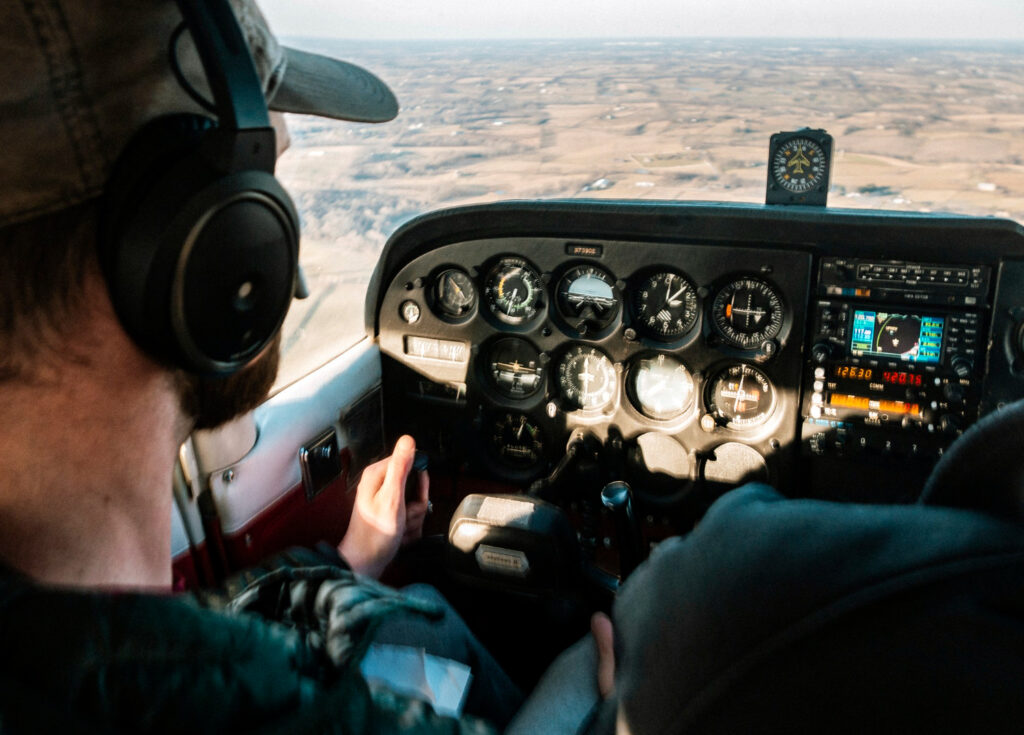

Sustainable future: Intelligent air traffic management:
In pursuit of a sustainable future, optimizing air traffic routes is a crucial aspect of reducing fuel consumption. This section discusses emerging technologies and collaborative global efforts focused on intelligent air traffic management, a key component in the pursuit of sustainability in commercial aviation.
Intelligent Air Traffic Management (ATM) represents a pivotal chapter in the evolution of aviation, aiming to revolutionize the way air traffic is controlled, optimized, and navigated. With advancements in technology, data analytics, and connectivity, the aviation industry is poised to embrace intelligent solutions that enhance safety, efficiency, and environmental sustainability.
a) KEY ASPECTS:
- Data-Driven Decision Making: Harnessing the power of big data and advanced analytics, Intelligent ATM enables real-time, data-driven decision-making for air traffic controllers and operators. This includes predictive modeling, weather analysis, and route optimization based on current and historical data.
- Automation and Autonomy: Automation plays a central role in Intelligent ATM, with the integration of autonomous systems for routine tasks and decision support. This allows for more efficient airspace utilization, reduced human error, and increased overall system capacity.
- Collaborative Decision Making (CDM): CDM fosters collaboration among stakeholders, including airlines, airports, and air navigation service providers. Shared data and coordinated decision-making processes streamline operations, optimize routes, and enhance the overall efficiency of the air traffic management ecosystem.
- Next-Gen Communication Systems: The implementation of advanced communication systems, such as satellite-based and data-link technologies, ensures seamless connectivity between aircraft and ground control. This not only improves communication reliability but also enables more dynamic and flexible route planning.
- Dynamic Airspace Management: Intelligent ATM introduces dynamic airspace management, allowing for real-time adjustments to airspace configurations based on changing conditions, traffic demand, and environmental factors. This adaptability enhances safety and enables more efficient use of airspace.
- Machine Learning for Traffic Prediction: Machine learning algorithms analyze historical and real-time data to predict air traffic patterns, optimizing routes and reducing congestion. These predictive capabilities contribute to proactive decision-making and resource allocation.
- Integration of Unmanned Aerial Vehicles (UAVs): As the use of unmanned aerial vehicles (UAVs) increases, Intelligent ATM integrates UAV traffic seamlessly into the broader airspace. This involves developing systems for the safe coexistence of manned and unmanned aircraft, with dynamic route planning to avoid conflicts.
- Environmental Considerations: Intelligent ATM places a strong emphasis on environmental sustainability by optimizing flight paths to minimize fuel consumption and emissions. The integration of green approaches, such as continuous descent and climb. operations, aligns with the industry’s commitment to reducing its carbon footprint.
b) SUSTAINABLE FUTURE: CHALLENGES AND FUTURE DIRECTIONS:
- Cybersecurity Concerns: The increased reliance on interconnected systems in Intelligent ATM raises cybersecurity challenges. Addressing these concerns is crucial to ensure the resilience and integrity of air traffic management systems.
- Regulatory Frameworks: Evolving regulatory frameworks are necessary to accommodate the integration of new technologies and ensure a standardized approach to Intelligent ATM implementation globally. Collaboration between aviation authorities is essential to establish common standards and protocols.
- Human-Machine Collaboration: Balancing automation with human oversight remains a challenge. The successful integration of Intelligent ATM requires effective human-machine collaboration, with a focus on training and adapting operational procedures.

c) INTEGRATION OF AI IN AIR TRAFFIC MANAGEMENT:
This aspect raises important questions regarding responsibility and liability, especially in the event of accidents or incidents. Here are some important considerations:
- Human Oversight and Decision-Making: While AI systems can automate certain tasks and provide decision support, human oversight remains crucial. Responsibility often lies with the individuals overseeing and managing the AI systems. Human operators should be able to intervene, override automated decisions, and take control when necessary.
- Legal Frameworks and Regulations: Existing legal frameworks and regulations in the aviation industry outline responsibilities and liabilities. As AI becomes more prevalent, regulatory bodies need to adapt and establish guidelines that address the unique challenges posed by AI in air traffic management. These frameworks may specify the roles and responsibilities of both humans and AI systems.
- Manufacturer Liability: If an incident is attributed to a malfunction or failure of the AI system, the manufacturer of the AI technology could face liability. This is similar to how manufacturers of traditional aviation equipment may be held responsible for design flaws or defects.
- Operator Responsibilities: The operators and entities managing the AI systems, whether air navigation service providers or airlines, may bear responsibility for incidents. Their duty includes proper training of personnel, regular maintenance of AI systems, and adherence to safety protocols.
- Data Security and Privacy: As AI systems rely on vast amounts of data, issues related to data security and privacy are significant. Responsible data handling and protection are essential to prevent unauthorized access or manipulation that could lead to accidents.
- Clear Accountability Frameworks: Establishing clear accountability frameworks is essential. This includes defining the roles and responsibilities of all parties involved in the AI-based air traffic management ecosystem. This clarity helps allocate responsibility in a transparent manner.
- International Cooperation: Air travel is a global industry, and incidents can involve multiple jurisdictions. International cooperation is crucial to harmonize legal standards and ensure a consistent approach to responsibility and liability in cases involving AI in air traffic management. viii. Insurance and Risk Management: Insurance and risk management practices need to adapt to the introduction of AI in air traffic management. Ensuring adequate insurance coverage and risk mitigation strategies is part of responsible planning by aviation stakeholders.
In conclusion, Intelligent Air Traffic Management represents a paradigm shift in the way the aviation industry manages and navigates the skies. By leveraging advanced technologies, data-driven decision-making, and collaborative approaches, Intelligent ATM aims to enhance safety, optimize efficiency, and contribute to a more sustainable and interconnected future for air travel. As the industry continues to innovate, addressing challenges and fostering global cooperation will be key to unlocking the full potential of Intelligent ATM in shaping the next era of aviation.
It’s important to note that the legal landscape surrounding AI in aviation is evolving, and the industry is actively addressing these challenges. Establishing a robust legal and ethical framework is essential to ensure the safe and responsible integration of AI in air traffic management. As AI technologies advance, ongoing discussions and collaborations among industry stakeholders, regulators, and legal experts will be crucial to navigating this complex landscape.
As we look to the skies of the future, it’s evident that the next generation of commercial aircraft is not only about reaching new heights in performance but also about embracing a sustainable ethos. The amalgamation of efficient energy use, lightweight design, electric propulsion, alternative fuels, advanced aerodynamics, and intelligent air traffic management paints a vivid picture of an industry committed to reducing its environmental footprint. With each technological leap, we move closer to an era where air travel not only connects the world but does so with a minimal impact on the planet.
d) SUSTAINABLE FUTURE: CHALLENGES AND VARIABLES
- Regulatory Challenges: Evolving regulatory frameworks pose challenges and uncertainties. The industry’s ability to navigate and adapt to changing regulations will significantly impact the deployment timeline.
- Technology Maturation: The maturation of key technologies, such as electric propulsion and sustainable fuel production, is a critical variable. Breakthroughs in these areas could accelerate the deployment of next-gen aircraft.
- Global Collaboration: The level of collaboration and information sharing among global stakeholders will influence the pace of adoption. Joint efforts to address challenges and align standards will be pivotal.
e) FORECAST AND HORIZON: NAVIGATING THE EVOLUTION OF NEXT-GEN AIRCRAFT
- Short-Term Developments (2023-2025): In the immediate future, spanning 2023 to 2025, the aviation landscape will witness the initial phases of next-gen aircraft deployment. During this period, we anticipate a measured introduction of more fuel-efficient models by airlines. Manufacturers, driven by a commitment to sustainability and compliance with emerging regulations, will showcase their technological prowess. Regulatory bodies are expected to grant initial approvals for innovative features, marking the commencement of a gradual shift toward next-gen aviation solutions. This phase lays the groundwork for testing and validating new technologies in real-world operational scenarios.
- Mid-Term Growth (2026-2030): The mid-term horizon, from 2026 to 2030, signals a notable acceleration in the adoption of next-gen aircraft. Regulatory frameworks will mature, providing clearer guidelines and standards for manufacturers and operators. Airlines, recognizing the economic advantages and environmental benefits, will increasingly incorporate a higher proportion of next-gen aircraft into their fleets. This period will witness a strategic alignment between economic viability and sustainability goals, driving the aviation industry towards a more technologically advanced and eco-friendly future.
- Long-Term Integration (2031 Onward): Looking beyond 2030, the long- term scenario envisions the widespread integration of next-gen aircraft into global fleets. As technology continues to mature and achieve economies of scale, manufacturing costs are anticipated to decrease.
Regulatory frameworks will become more standardized, paving the way for next-gen aircraft to become the industry norm. By this stage, a substantial portion of the global commercial fleet is expected to comprise advanced, environmentally conscious aircraft. This era represents the culmination of efforts to redefine the aviation landscape, with next-gen aircraft taking center stage as the standard-bearers of sustainable and efficient air travel.
The deployment of next-gen aircraft is not a distant vision but a tangible and evolving reality. While short-term developments provide a glimpse into the transformative journey, mid-term growth and long-term integration hinge on collaborative efforts, regulatory clarity, and technological advancements. The aviation industry’s commitment to sustainability and innovation positions next-gen aircraft as the cornerstone of the future sky, with the potential to redefine the way we experience air travel.
As the aviation industry progresses through these forecasted phases, factors such as regulatory adaptability, technological breakthroughs, and global collaboration will play pivotal roles in determining the precise trajectory and pace of next-gen aircraft deployment.