

Manufacturability Challenges
- Integration with Existing Aircraft Materials
One of the main challenges in incorporating smart materials into aircraft is ensuring their compatibility with traditional aerospace materials, such as aluminum alloys and carbon fiber composites. For instance, while piezoelectric materials provide excellent sensing capabilities, they need to be seamlessly integrated into the structural design of the aircraft without compromising strength or integrity.
- Reliability and Durability
Smart materials must perform reliably over the aircraft’s lifespan, often facing harsh environmental conditions such as extreme temperatures, high pressure, and exposure to UV radiation. Ensuring that these materials maintain their responsive properties under such conditions is a significant hurdle.
- Cost and Scalability
The development and production of smart materials, particularly advanced ones like carbon nanotubes or graphene composites, can be expensive. Scaling these materials for widespread use in commercial aircraft remains a challenge due.
Some examples of Smart Material Projects in Aerospace
- NASA’s Mission Adaptive Wing (MAW)
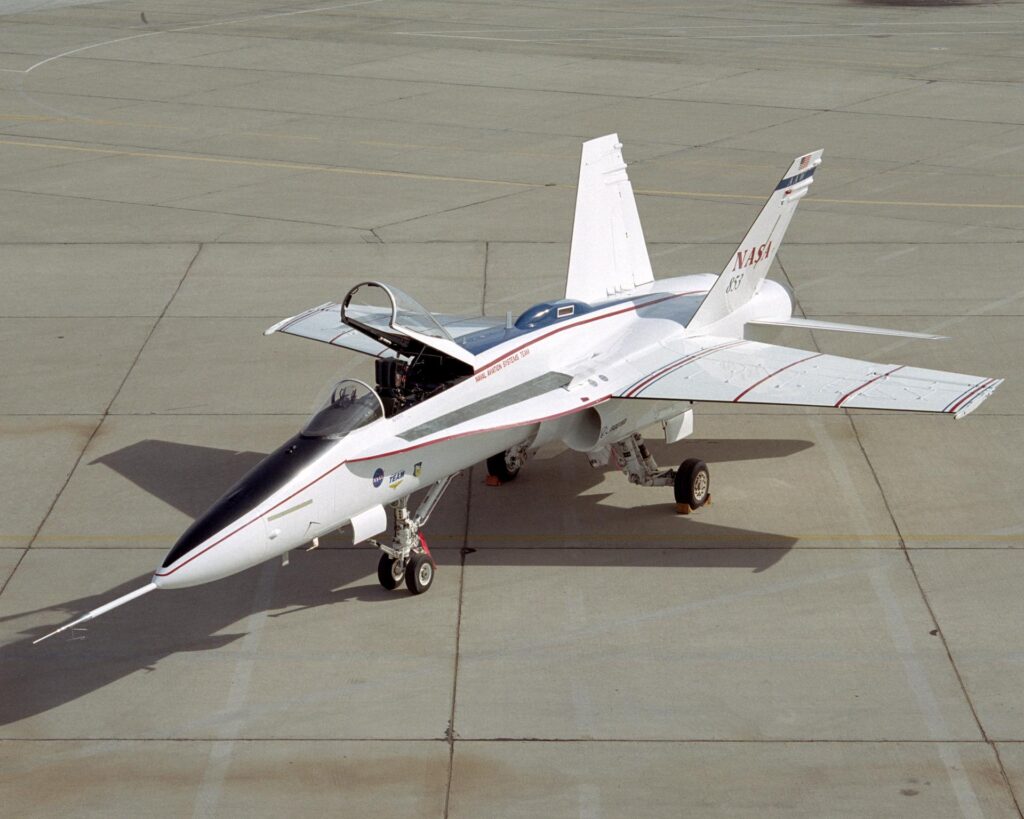
One of the pioneering projects in the application of smart materials to aircraft design is NASA’s Mission Adaptive Wing (MAW), initiated in the 1980s. This project focused on developing a wing that could change its shape during flight to optimize performance under different flight conditions. The project incorporated shape memory alloys (SMAs) into the wings to achieve this adaptability. Although this was a military project, the technology has opened doors for future commercial applications, particularly in morphing wings.

- Boeing’s Active Aeroelastic Wing (AAW)
Boeing developed the Active Aeroelastic Wing (AAW) as part of a broader effort to enhance flight performance and reduce structural weight. Using piezoelectric actuators, the AAW project aimed to control aeroelastic deformation (the bending or twisting of the wing under aerodynamic load) to improve the aircraft’s maneuverability and reduce drag. The technology derived from this project has influenced modern wing design, emphasizing efficiency and adaptive control.
- European SARISTU Project
The SARISTU (Smart Intelligent Aircraft Structures) project, funded by the European Union, aimed to integrate smart materials such as piezoelectric sensors and shape memory alloys into commercial aircraft structures to reduce weight and improve aerodynamic efficiency. A key innovation from SARISTU was the development of morphing wings that can adapt to different flight conditions, reducing drag and fuel consumption. This project demonstrated the feasibility of adaptive control surfaces in future aircraft designs, moving the aerospace industry closer to fully utilizing smart materials in commercial aviation.
- Airbus’ Wing of Tomorrow
Airbus has launched its Wing of Tomorrow program to explore the potential of smart materials and advanced manufacturing technologies in the design of next-generation aircraft wings. The project aims to develop wings that are lighter, more efficient, and capable of morphing based on flight conditions. The incorporation of carbon nanotubes (CNTs) and piezoelectric sensors in the wing structure allows for real-time monitoring and adaptive control, enhancing aerodynamic performance while ensuring safety and reliability.

- MIT’s Shape Morphing Aircraft
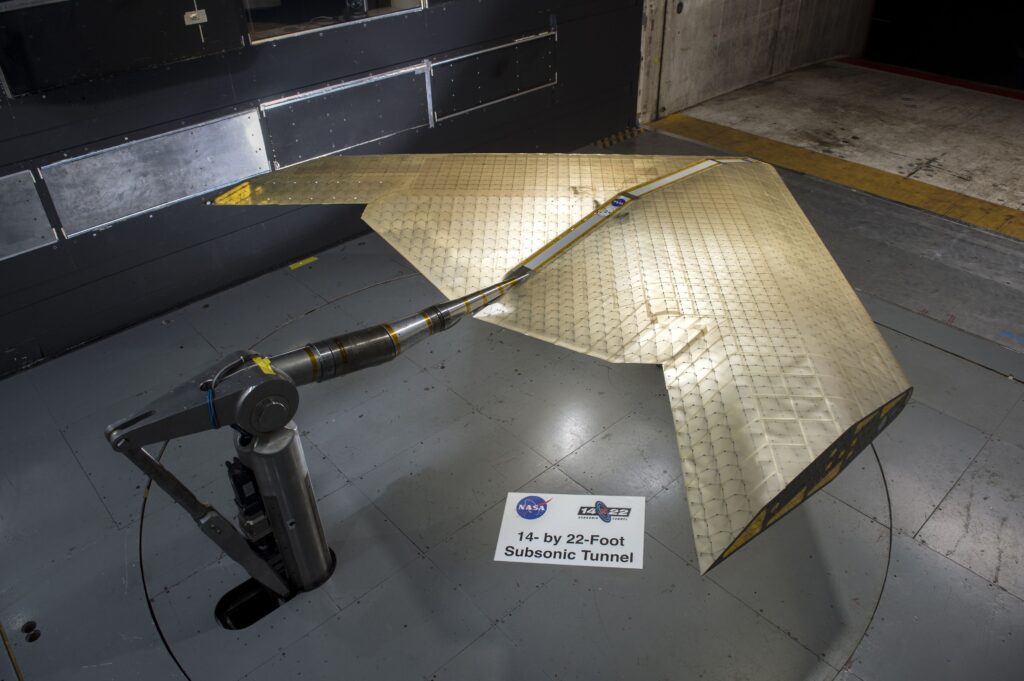
Researchers at the Massachusetts Institute of Technology (MIT) have developed a shape-morphing aircraft wing that uses a lattice structure and smart materials to change shape continuously during flight. The wing is composed of thousands of small, lightweight subunits that enable real-time adaptation to airflow. This concept represents the future of morphing wing technology, where entire wing structures can be designed to optimize aerodynamics across various phases of flight, all while being lighter and more efficient.
Conclusions
The integration of smart materials into the design of commercial aircraft represents a significant leap forward in aerospace engineering. These materials, with their ability to react to external stimuli and adapt to changing conditions, offer a range of benefits that include increased fuel efficiency, improved aerodynamics, enhanced structural integrity, and reduced weight. As the aviation industry continues to prioritize sustainability and performance, smart materials will play a crucial role in the development of next-generation aircraft.
From shape memory alloys (SMAs) and piezoelectric materials to advanced nanomaterials like carbon nanotubes and graphene, the variety of smart materials provides engineers with new tools to design more adaptive, resilient, and efficient aircraft. Applications such as morphing wings, adaptive control surfaces, and vibration damping systems are already being tested and implemented in both military and commercial aviation sectors.
Despite their potential, several challenges remain, including the manufacturability and reliability of smart materials over the long term. The high cost of production and the complexity of integrating these materials into existing airframe designs also pose significant hurdles. However, ongoing research, such as NASA’s MAW, Airbus’ Wing of Tomorrow, and MIT’s Shape Morphing Aircraft, is bringing these innovations closer to reality.
In the coming decades, smart materials will likely become a standard feature in aircraft design, contributing to a future of more efficient, eco-friendly, and intelligent aviation. The ability to adapt and optimize flight surfaces dynamically, coupled with advancements in additive manufacturing and structural health monitoring, ensures that smart materials will be at the forefront of aerospace innovation.
The integration of smart materials into advanced structural components is a significant area of research. This involves embedding sensors, actuators, and other smart material systems within the primary structure of the aircraft. This combined approach may constitute a game-changer in the next generation of aircrafts.
Future Forecast of Meta-Materials, Lattice Structures, and Smart Materials in the Next Aircraft Generation
The next generation of aircraft is poised to revolutionize aerospace engineering through the integration of advanced materials, particularly meta-materials, lattice structures, and smart materials. These technologies will not only enhance aircraft performance and safety but also address critical industry demands for greater sustainability, fuel efficiency, and adaptability. The forecast for these materials is driven by ongoing research, emerging prototypes, and the anticipated integration into commercial aircraft designs.
Meta-Materials
Meta-materials, known for their ability to manipulate electromagnetic waves, sound, and mechanical properties in unconventional ways, are projected to play a pivotal role in future aircraft designs. These materials are engineered with structures at a scale smaller than the wavelength of the properties they influence. For instance, they can enable the development of lightweight, stronger fuselages with improved thermal and radar absorption characteristics.
In the aerospace industry, meta-materials offer several key applications:
- Noise Reduction: Meta-materials with unique acoustic properties can dampen engine and aerodynamic noise, significantly enhancing passenger comfort.
- Electromagnetic Shielding: Advanced meta-materials can protect critical electronic systems from electromagnetic interference (EMI), improving safety and communication reliability.
- Radar Invisibility: Meta-materials with tailored refractive indices could contribute to stealth aircraft by bending electromagnetic waves around the surface, making them harder to detect by radar.
Looking ahead, we can expect meta-materials to be integrated into aircraft designs for reducing drag, improving fuel efficiency, and enhancing environmental sustainability. With continued research, the cost and scalability challenges of meta-materials are likely to be mitigated, paving the way for widespread adoption within the next two decades.
Lattice Structures
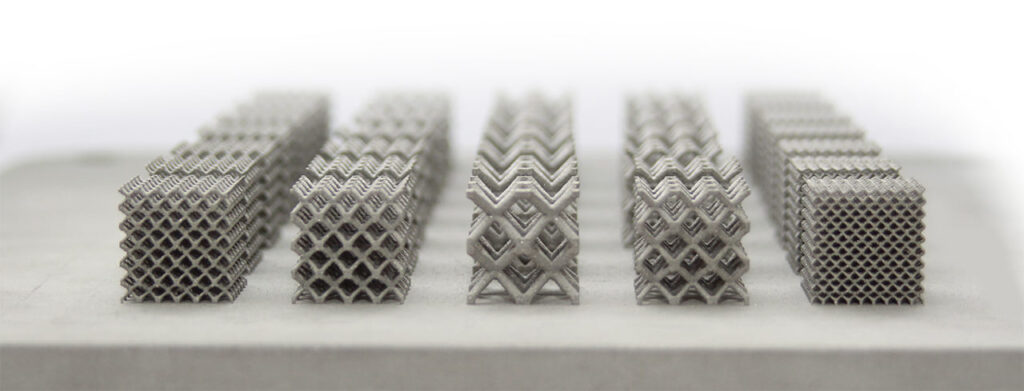
Lattice structures, characterized by their intricate networks of repeating geometric patterns, offer unparalleled advantages in terms of strength-to-weight ratio and material efficiency. The aerospace industry is already exploring these structures for both macro and micro applications, using them in components like aircraft wings, internal structural supports, and even turbine blades.
The ability of lattice designs to provide robust support with minimal material usage aligns perfectly with the aviation sector’s focus on fuel efficiency. The reduction of aircraft weight translates directly to lower fuel consumption, which is crucial for both economic and environmental reasons.
- 3D-Printed Lattice Structures: The rise of additive manufacturing has opened the door for complex lattice structures to be produced at scale. This enables the customization of individual components for specific stress tolerances, leading to more optimized designs.
- Crashworthiness and Impact Resistance: Lattice structures can be engineered to absorb impacts and enhance safety during emergencies, providing an additional layer of protection for passengers and cargo. In the near future, lattice structures will likely become more prominent in aerospace designs, as engineers continue to optimize their mechanical performance and address manufacturing challenges. Their lightweight properties will be especially valuable for next-generation electric or hybrid aircraft, where weight reduction is critical.
Smart Materials
Smart materials, including shape memory alloys (SMAs), electroactive polymers (EAPs), and piezoelectric materials, offer the ability to adapt to changing conditions in real time. These materials are increasingly seen as key to the future of adaptive aircraft, which can dynamically alter their shape or properties to optimize performance throughout various flight conditions.
- Morphing Wings: Smart materials will enable aircraft wings that can adjust their shape for optimal lift, drag, and fuel efficiency. NASA’s research into shape-changing wings is already showing the potential to reduce fuel consumption by up to 12%.
- Vibration Damping: Smart materials could help actively control and reduce vibrations during flight, enhancing passenger comfort and extending the life of critical components.
- Self-Healing Materials: Future smart materials may include self-healing capabilities, allowing aircraft structures to automatically repair minor damage like cracks or surface wear, thus reducing maintenance costs and enhancing aircraft safety.
The future of smart structures integrating the above technology in aerospace industry is incredibly promising, with research focusing on improving material responsiveness, durability, and integration with other systems. Within the next 10 to 15 years, we are likely to see fully adaptive aircraft components, driven by the evolution of smart materials.