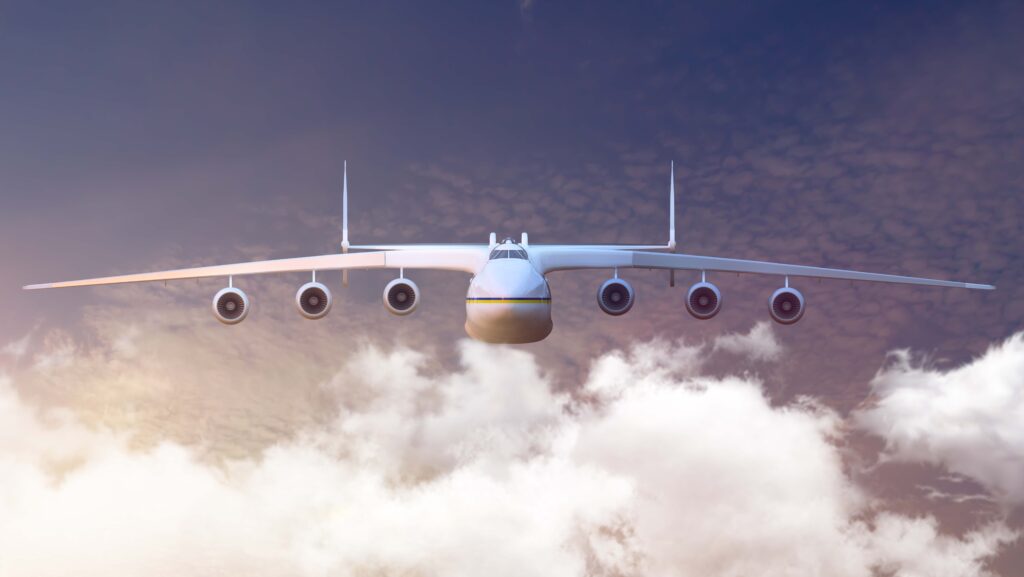

Sustainable Future: light weight design and innovative materials
Sustainable future begins with a key strategy for improving efficiency: the implementation of lightweight materials in aircraft design. This section delves into the use of cutting-edge materials, shedding light on how they contribute to efficiency and fuel savings.
The next generation of commercial aircraft is undergoing a paradigm shift, placing a maximum focus on lightweight design and the integration of innovative materials. This strategic approach not only reduces structural weight but also improves aerodynamics, contributing to enhanced fuel efficiency and environmental sustainability.
i) Sustainable Future: Composite Materials
Carbon Fiber Reinforced Polymers (CFRP): Composite materials, particularly CFRP, lead the charge in lightweight design. Renowned for their exceptional strength-to-weight ratios, CFRP components contribute to reduced fuel consumption by lightening critical structural elements such as wings and fuselage. The percentage of CFRP components is growing up from generation to generation of airliners. New manufacturing processes as Resin Transfer Molding, Fiber Placement, Hot Forming, Pultrusion, etc. are allowing us to manufacture components that up to know were not feasible to produce in CFRP.
ii) Titanium Alloys
Titanium alloys, with their combination of high strength and low density, play a pivotal role in maintaining structural integrity while achieving weight savings. Integrating titanium alloys in critical components contributes to overall weight reduction without compromising safety. Additive Manufacturing techniques are allowing optimized “bionic” designs that improves the strength to weight ratio.
iii) Aluminum-Lithium Alloys
Aluminum-lithium alloys provide a middle ground between strength and weight, contributing to weight savings in the airframe. Their application enhances fuel efficiency and range while maintaining structural robustness.
iv) Advanced Polymers:
Advanced polymers, including reinforced plastics, find utility in non-structural components, offering versatility and contributing to streamlined designs. The use of advanced polymers not only reduces overall weight but also improves aerodynamics, fostering fuel efficiency.
The adoption of lightweight materials translates directly to reduced structural weight. This weight reduction results in significant fuel savings, a critical factor in improving the overall efficiency and sustainability of commercial air travel.
Reduced structural weight extends the range and payload capacity of aircraft. Airlines benefit from increased operational flexibility, accommodating longer non- stop flights and expanding cargo capabilities, meeting the evolving demands of global air travel.
Lightweight materials often facilitate more streamlined and aerodynamically efficient designs. The reduction in drag not only enhances fuel efficiency but also allows for tighter aerodynamic tolerances, further optimizing aircraft performance and reducing energy consumption.
The use of those lightweight materials, implies several challenges that need to be addressed to extract the benefits of this innovations:
Cost Considerations and Research Initiatives: The integration of innovative materials presents cost challenges, and ongoing research initiatives are focused on making these materials more economically viable. Balancing cost-effectiveness with performance is a key area of innovation, driving the industry toward sustainable and economically feasible solutions.
Certification and Safety Standards: The introduction of new materials necessitates rigorous certification processes to meet safety standards. Manufacturers collaborate with regulatory bodies to establish and validate the safety of these materials, ensuring they meet the stringent requirements of commercial aviation.
The marriage of lightweight design principles and innovative materials is reshaping the landscape of commercial aviation, emphasizing efficiency, sustainability, and safety. As the industry navigates the challenges posed by cost
considerations and regulatory standards, the collective pursuit of greener and more fuel-efficient air travel remains at the forefront of these transformative advancements.


Sustainable Future: Electric and Hybrid Propulsion
The shift toward electric and hybrid propulsion systems represents a paradigm shift in the aviation landscape. By examining the development and potential applications of these technologies, we uncover how they could significantly decrease emissions and enhance overall efficiency.
The aviation industry is experiencing a real impulse with the exploration of electric and hybrid propulsion systems for commercial aircraft. This paradigm shift is driven by the imperative to reduce carbon emissions and enhance overall sustainability. This analysis delves into the types of propulsion being tested, technological constraints, and notable projects shaping the landscape of electric and hybrid aviation. Basically, there are no more than a couple of new strategies to approach this topic:
a) Fully electric propulsion:
Fully electric propulsion systems rely exclusively on electric motors powered by batteries. This approach eliminates traditional combustion engines, offering a zero-emission solution during the flight phase. Prominent examples include experimental aircraft and prototypes designed for short-haul and regional flights.
b) Hybrid electric propulsion:
Hybrid electric propulsion combines traditional fuel-powered engines with electric motors. During certain phases of flight, the aircraft relies on electric power, reducing fuel consumption and emissions. This hybrid approach is particularly relevant for longer-range flights where fully electric solutions might face range limitations.
Both systems are facing some main technological constraints:
a) Energy Density of Batteries:
A significant technological challenge lies in the energy density of batteries. Current battery technology, while advancing rapidly, poses limitations in terms of
the energy that can be stored per unit of weight. This directly impacts the range and endurance of fully electric aircraft.
b) Weight Considerations:
The weight of batteries is a critical factor influencing overall aircraft weight and, consequently, efficiency. Balancing the desire for increased electric propulsion with the need to minimize weight remains a technological challenge, affecting both range and payload capacity.
c) Sustainable Future: Charging infrastructure
The development of a comprehensive charging infrastructure for electric and hybrid aircraft poses logistical challenges. Efficient charging solutions at airports and other key facilities are essential for the practical implementation of electric aviation on a larger scale.
Sustainable Future: Projects and Developments
To understand how the industry is approaching those technological challenge, we may have a look to some of the Projects and Developments underway:
1. eFlyer 2 by Bye Aerospace:
The eFlyer 2TM was the world’s first FAA 14 CFR Part 23-Type Amendment 64-Certified Applicant for a “Normal Category” Electric Aircraft. Currently has reached FAA Approval of its G-2 “Means of Compliance for Certification” an important milestone for getting the Certification. The plane is two places, all-electric training aircraft designed by Bye Aerospace. It represents a significant step toward the electrification of general aviation, aiming to provide a sustainable alternative for pilot training.
2.eDA40 by Diamond The eDA40.
A derivative of the existing and certified DA40 series, probably will be the first certified electric airplane in its category and the greenest way of learning to fly. It is configured as a 2–3-seater with dual control IFR capable. With an autonomy of 1.2 hours, and fast charging capabilities, became a very interesting solution for pilot training.
3. E-Fan X by Airbus:
Airbus’s E-Fan X project is a hybrid-electric aircraft prototype that integrates an electric motor into a regional aircraft’s powerplant. The goal is to demonstrate the feasibility of hybrid propulsion and explore its potential for larger commercial aircraft.
4.Project EcoPulse by Daher, Airbus, and Safran:
EcoPulse is a collaborative project involving Daher, Airbus, and Safran, aiming to develop a distributed hybrid propulsion system. This project focuses on a regional aircraft platform, showcasing the potential for distributed electric propulsion in commercial aviation. It took its first flight on 29 November 2023.
5. Zunum Aero:
Zunum Aero, backed by Boeing and JetBlue, is working on the development of hybrid-electric regional aircraft. Their vision includes short-haul electric air transportation with the goal of reducing emissions and operating costs for regional travel. Unfortunately, in 2018, Zunum ran out of cash, forcing it to lay off nearly all of its employees and vacate its headquarters. Nowadays, Zunum is striking back at one of its former investors.
6.Electric Powertrain Flight Demonstration (EPFD)
Project Last October, NASA and GE Aviation announced a new partnership to mature a megawatt-class hybrid electric engine that could power a single- aisle aircraft. Today the project got one step closer to takeoff. GE Aviation has selected Boeing to modify the plane that will test the propulsion system in the air. Boeing and its subsidiary Aurora Flight Sciences will modify the test plane, a Saab 340B aircraft powered by GE CT7-9B turboprop engines. In the context of this project and backed by $4.8 million in new research grants from the U.S. Department of Energy’s Advanced Research Projects Agency-Energy (ARPA-E) division, a team at General Electric Research is seeking to design an electricity-driven propulsion system both powerful and light enough to keep aloft a 175,000-pound commercial airliner and its 175 passengers.
Basically, electric and hybrid propulsion systems are at the forefront of revolutionizing commercial aviation. While technological constraints such as battery energy density and weight persist, ongoing projects and developments underscore the industry’s commitment to overcoming these challenges. As experimentation and innovation continue, electric and hybrid aviation hold the promise of ushering in a more sustainable era in air travel, addressing environmental concerns and redefining the future of commercial aircraft.
<End of Part 2>